

Design-to-Build Software for Engineering Firms
Design-to-build has been the goal of AEC software investment for a decade. The gap that persists is not in the BIM model. It is in the engineering design step between model and factory that is still rebuilt manually on every project.

Production Drawing Automation Software for Manufacturers
Precast and modular manufacturers are still producing production drawings manually for every bespoke order. struct.digital builds the automation that removes that process and releases orders to the factory faster.

Structural Calculation Automation Software
Engineering firms processing high volumes of bespoke structural calculations are running a process that has not changed in decades. struct.digital builds the software that changes it.

Custom BIM Integration Software for Engineering Firms
Most engineering firms run Revit, TEKLA, and analysis software side by side. The problem is none of them connect in a way that eliminates the manual work between them. Generic integration tools have not solved this. Here is why custom-built BIM integrations deliver results that off-the-shelf solutions cannot, and what implementation actually looks like for structural, civil, and geotechnical practices.
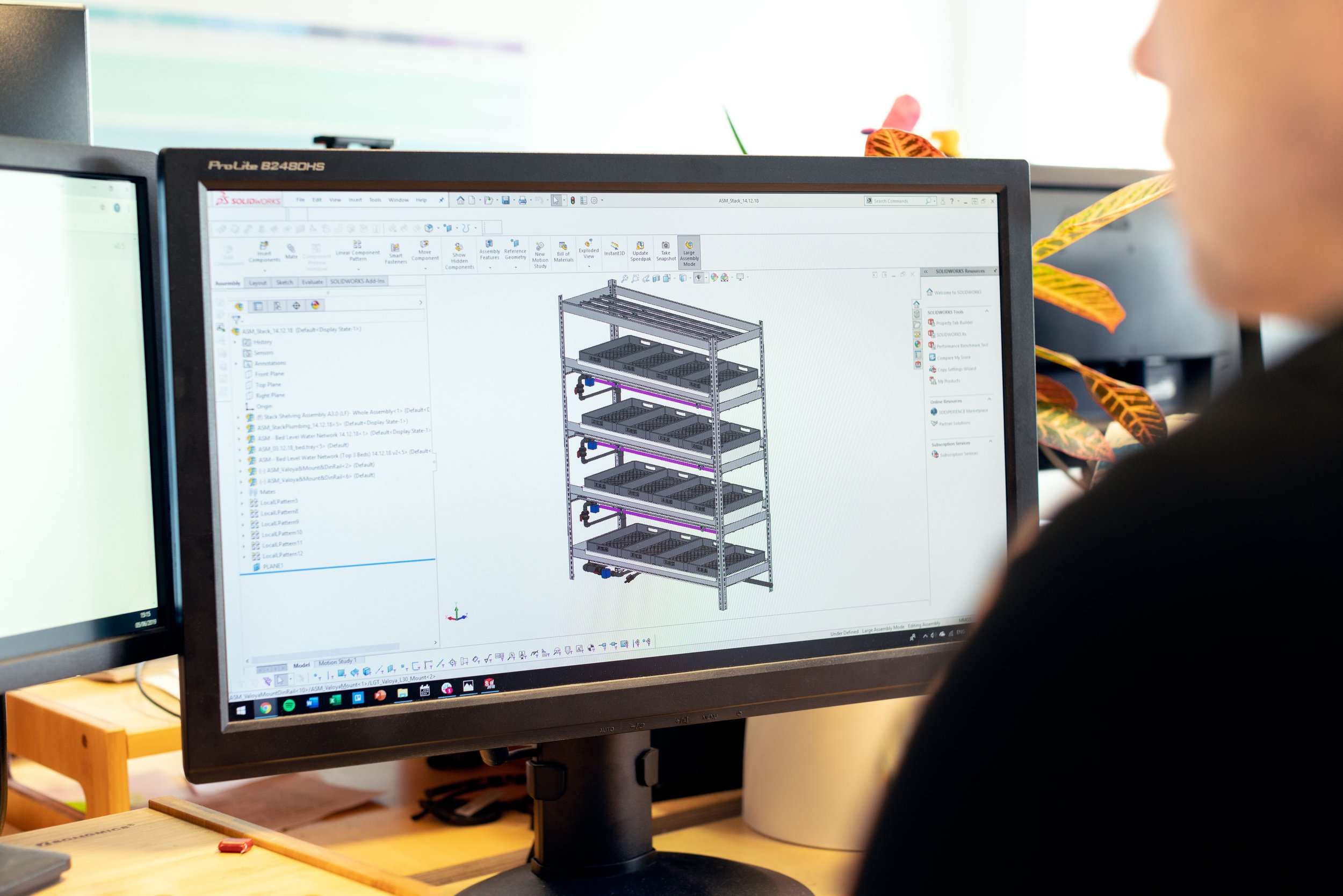
DFM Software for Component Manufacturers: What Bespoke Automation Actually Delivers
Off-the-shelf DFM software is built for broad manufacturing markets, not for precast concrete producers, modular manufacturers, or specialist structural component suppliers. The manufacturing constraints that matter — mould inventory, transport envelopes, connection geometry — are firm-specific and rarely encoded in standard tools. Here is what bespoke DFM automation actually delivers for built environment manufacturers.
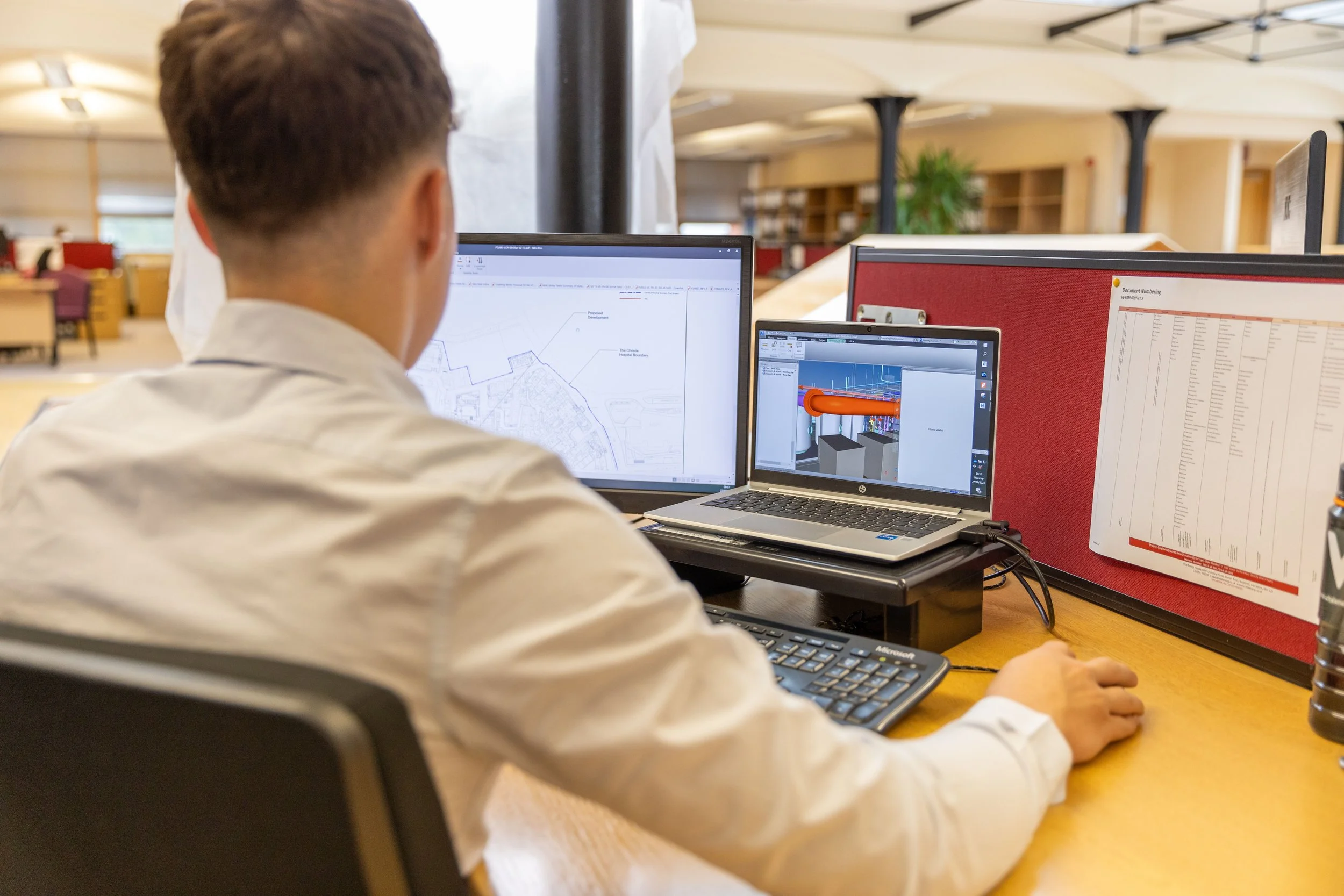
Geotechnical Engineering Software: The Case for Custom Over Off-the-Shelf
Standard geotechnical engineering software solves the analysis problem. It rarely solves the workflow surrounding it — AGS data processing, borehole log production, interpretive report compilation. Here is why custom geotechnical software is closing that gap and where the largest time savings sit for geotechnical practices.
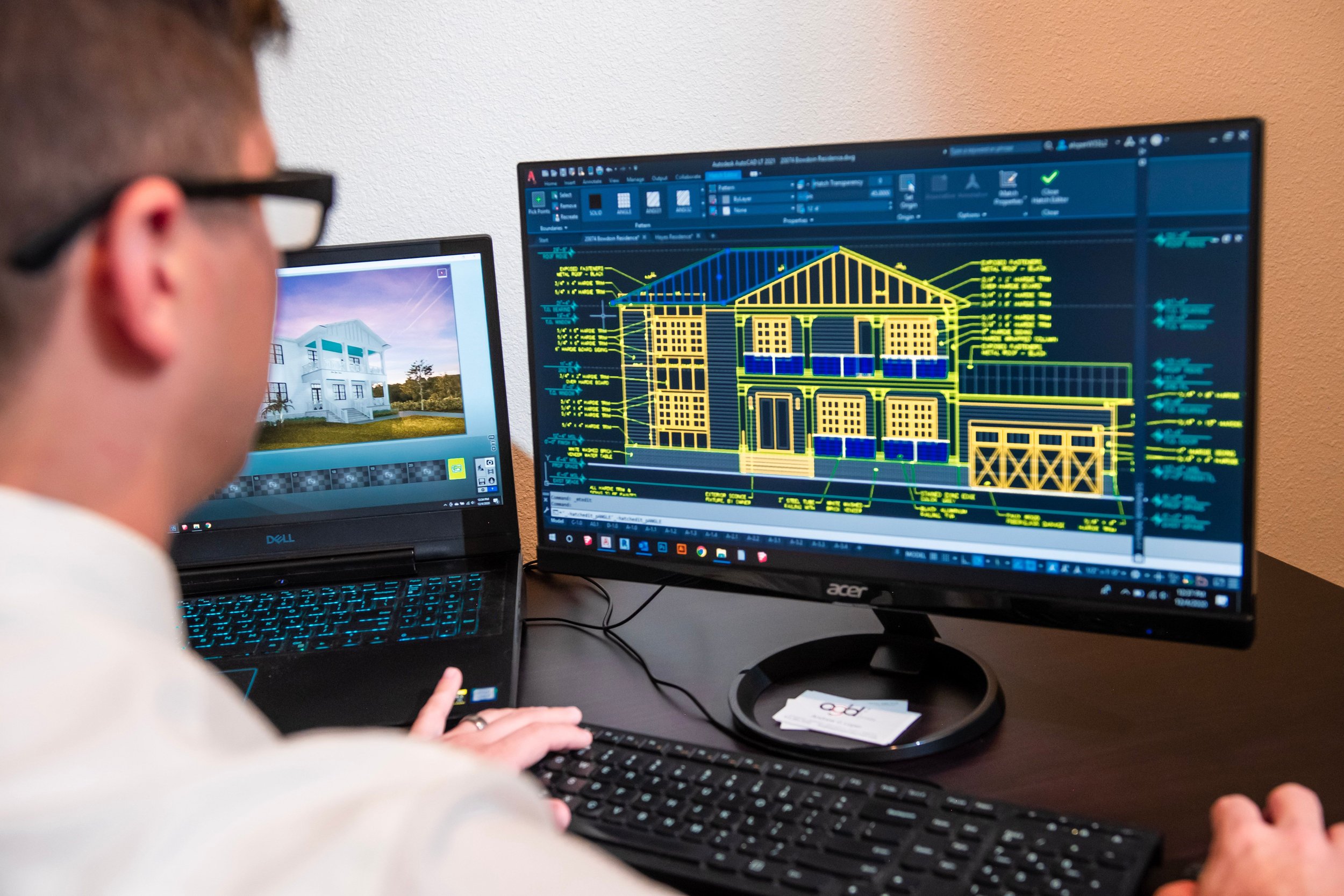
Civil Engineering Workflow Automation: Where Firms Are Losing the Most Time
Civil engineering firms lose more delivery capacity to rules-based manual tasks than most practices have formally measured. Data processing, report compilation, cross-discipline coordination - these workflows follow consistent rules and produce predictable outputs. Here is where automation delivers the most measurable time savings, and what it actually looks like when implemented on real projects.

The Hidden Cost of the Gap Between Design and Production in Structural Manufacturing
There is a cost that does not appear on most manufacturing P&Ls. It lives in every manual handoff between structural design and factory production, accumulating across engineering hours, rework events, and order cycles that run longer than they should. Here is where it hides, how to calculate it, and what closing it actually looks like.