
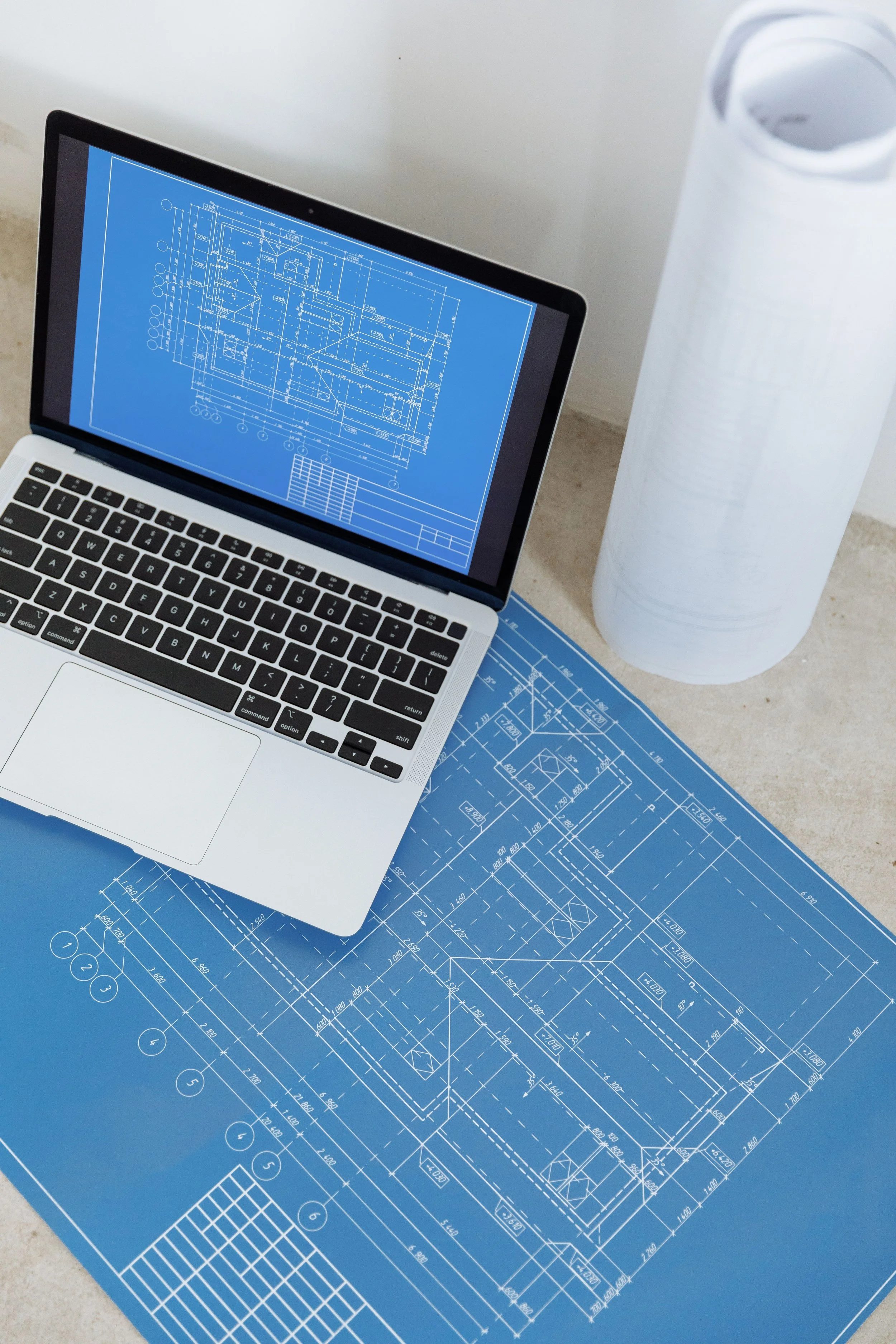
RAG Systems for Structural Engineering: A Practical Guide to AI Document Search
Structural engineering firms accumulate decades of project knowledge that sits in filing systems nobody can search effectively. Every time a senior engineer leaves, a significant portion of that knowledge leaves with them. Here is what a RAG system is, when it is worth building for your firm, and what the results actually look like in practice.

Structural Engineering Software: What Engineers Actually Need and Why Most Tools Miss It
Most structural engineering software is built for broad markets, not for how a practising engineer actually thinks on a live project. The result is tools with extensive feature sets where firms use 30% of what they paid for, while the 70% they actually need is missing. Here's what engineers actually want from their software and why the gap persists.
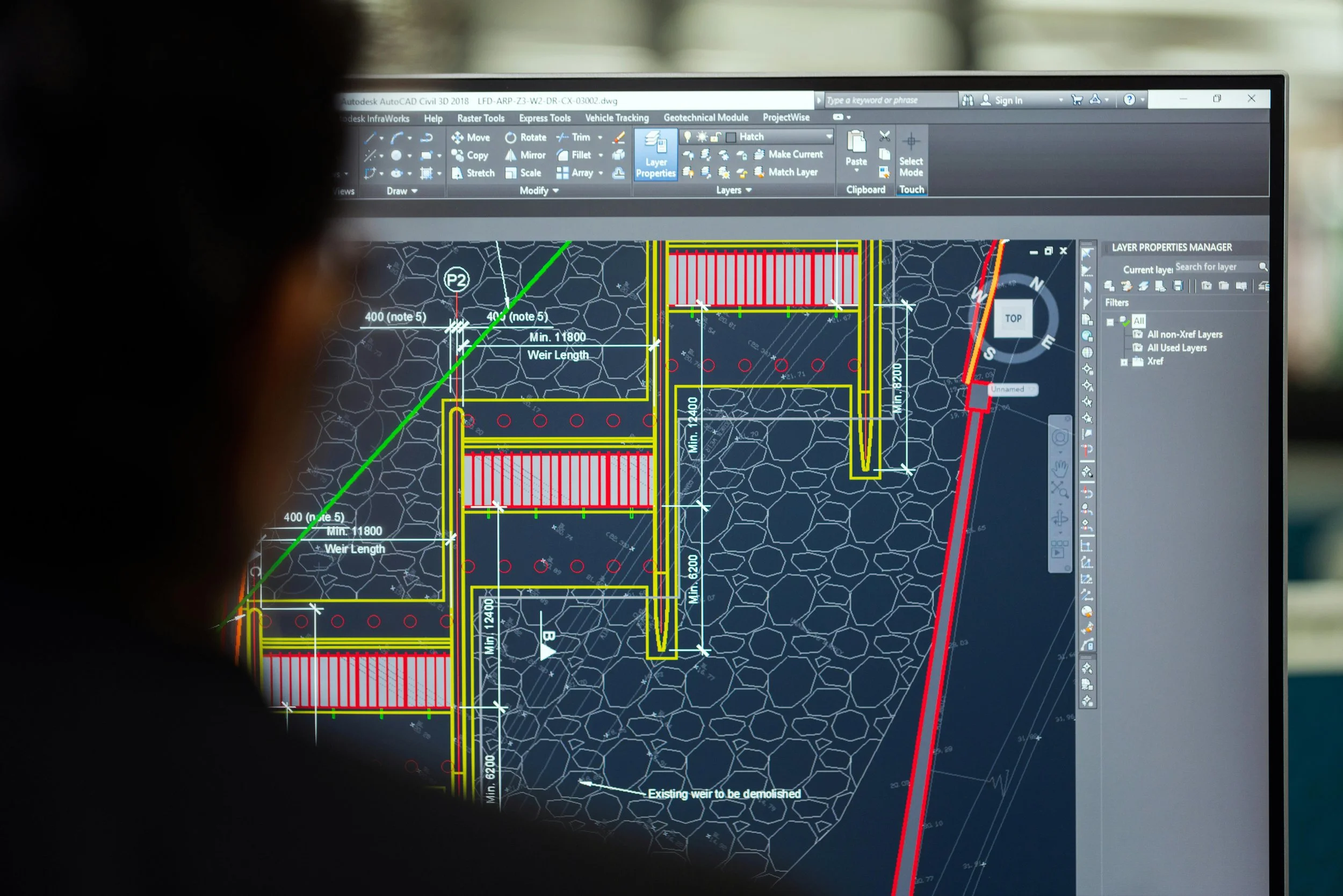
Revit, TEKLA, ETABS: Why Integration Is Still Broken and What It Costs You
Structural engineers spend an estimated 30% of their time on tasks that aren't engineering. Manual data transfer between Revit, TEKLA and ETABS is a major reason why. Here's what broken integration actually costs and what a proper fix looks like.

The Blueprint for Efficiency: Why Manufacturing is Primed for Software Automation
Did you know over 60% of manufacturing activities can be automated?
Because the industry is highly structured and rule-based, it has massive potential for digital optimization. Learn how automating your pre-production workflows can bridge the costly gap between the design screen and the factory floor.

AI in Structural Engineering: Harnessing Historical Data
Structural engineering holds vast untapped potential in its historical data, much of which remains locked in scattered, unstructured formats. AI offers a transformative approach by extracting actionable insights from decades of project documents, enabling better design optimization, predictive maintenance, and efficient forensic analysis. By utilizing tools tailored for the field, such as struct.answer, engineers can bridge the gap between archival knowledge and modern innovation, fostering smarter workflows and informed decision-making.

Why Structural Engineering Software Shouldn’t Be a Black Box
Structural engineering software must avoid being a “black box” by ensuring transparency in calculations, fostering trust, aiding compliance, and empowering engineers to verify results, detect errors, and confidently adopt automation for efficient workflows. Read blog to find out more.

The Environmental Impact of Structural Engineering and How Automation Promotes Sustainability
Structural engineering has a significant environmental impact, particularly due to embodied carbon in construction materials. Automation can reduce this impact by optimizing material usage, automating carbon calculations, and enhancing collaboration. Tools like struct.calcpack streamline these processes, promoting sustainability by minimizing carbon footprints. Read our blog to find out more.
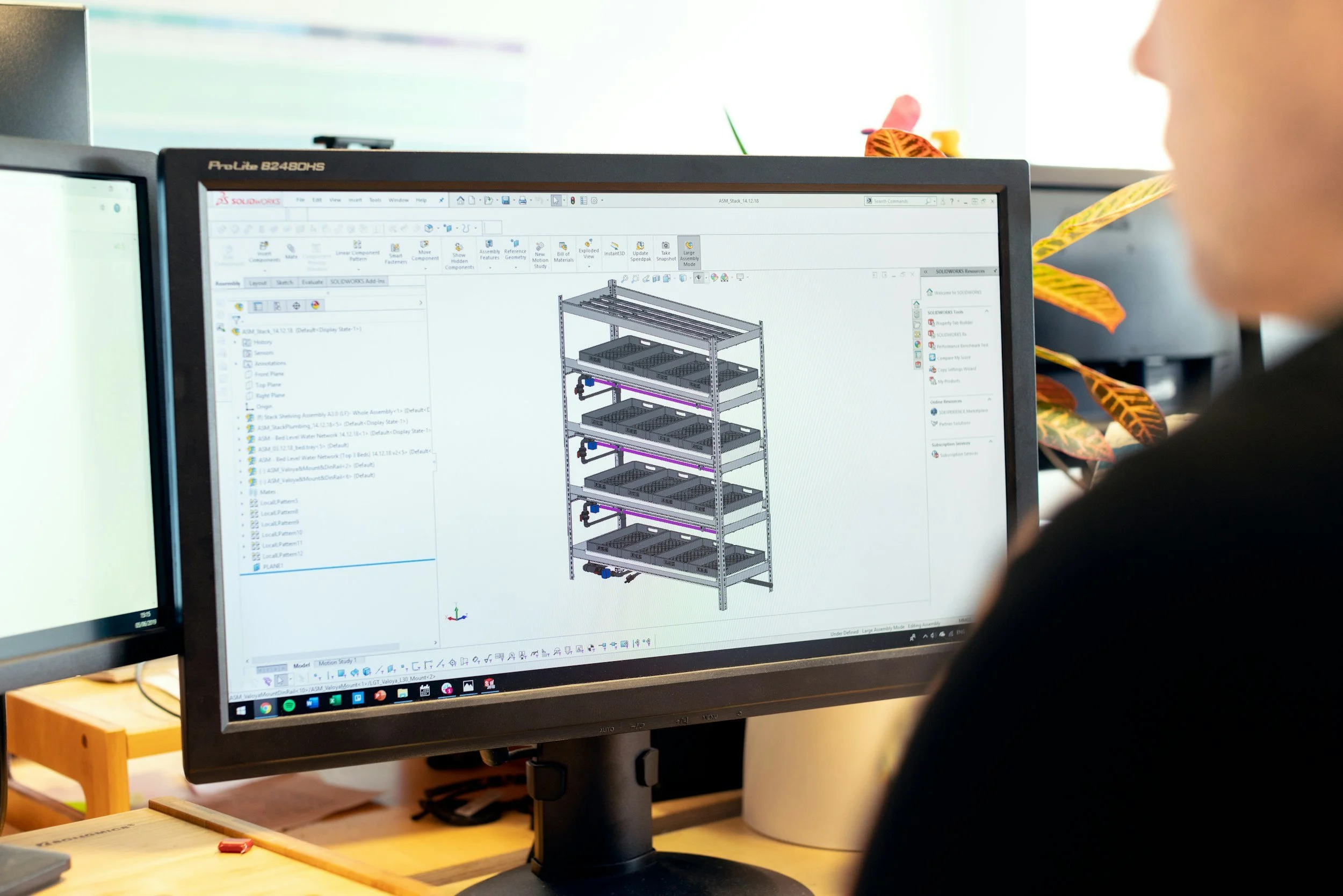
Structural Engineering: Current Automation Technologies and Future Innovations
Automation is transforming structural engineering with AI, ML, robotics, 3D printing, digital twins, and blockchain, improving efficiency, reducing costs, and enhancing project accuracy. Future innovations like quantum computing, AR, and self-healing materials promise even greater advancements.