
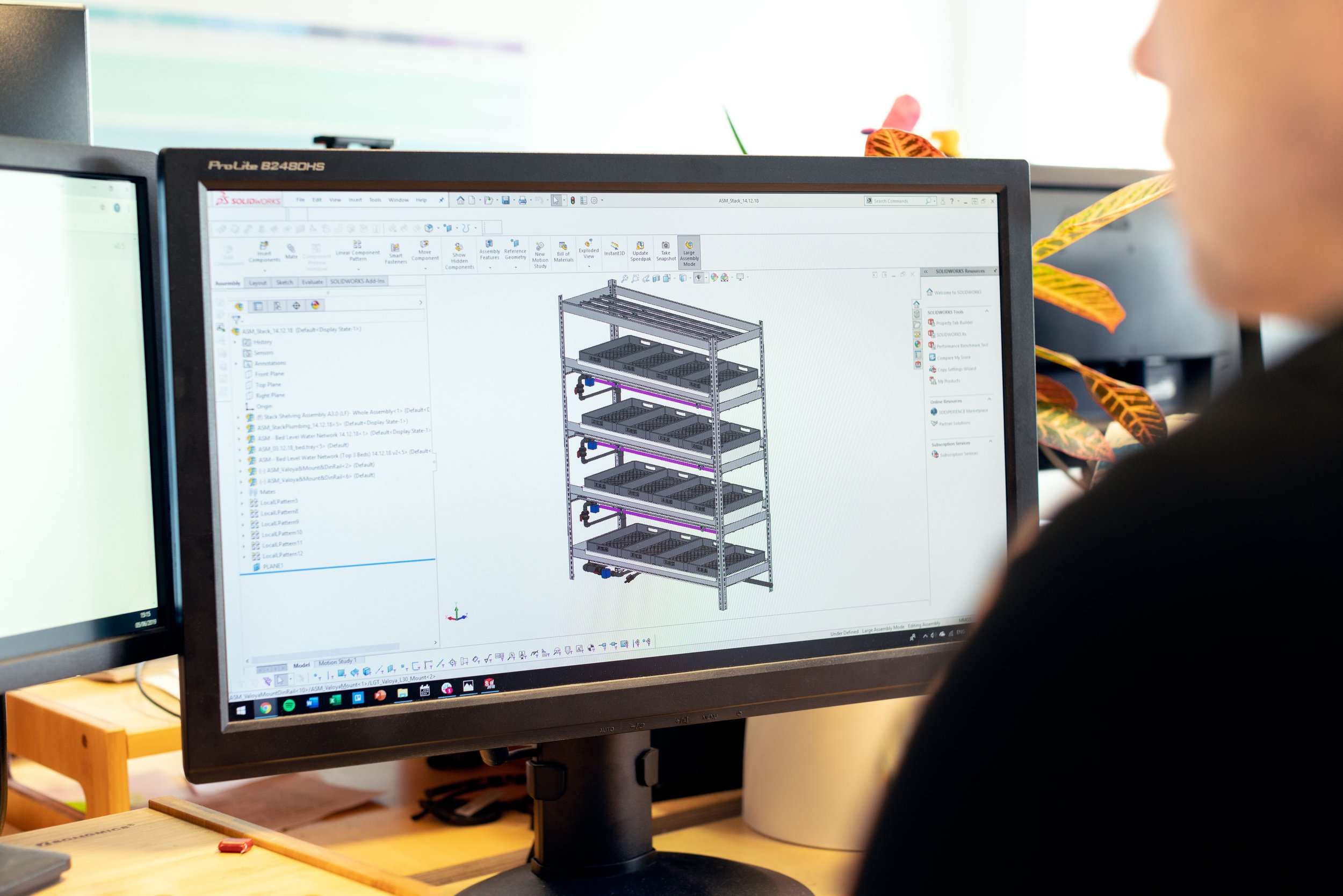
DFM Software for Component Manufacturers: What Bespoke Automation Actually Delivers
Off-the-shelf DFM software is built for broad manufacturing markets, not for precast concrete producers, modular manufacturers, or specialist structural component suppliers. The manufacturing constraints that matter — mould inventory, transport envelopes, connection geometry — are firm-specific and rarely encoded in standard tools. Here is what bespoke DFM automation actually delivers for built environment manufacturers.

Geotechnical Engineering Software: The Case for Custom Over Off-the-Shelf
Standard geotechnical engineering software solves the analysis problem. It rarely solves the workflow surrounding it — AGS data processing, borehole log production, interpretive report compilation. Here is why custom geotechnical software is closing that gap and where the largest time savings sit for geotechnical practices.
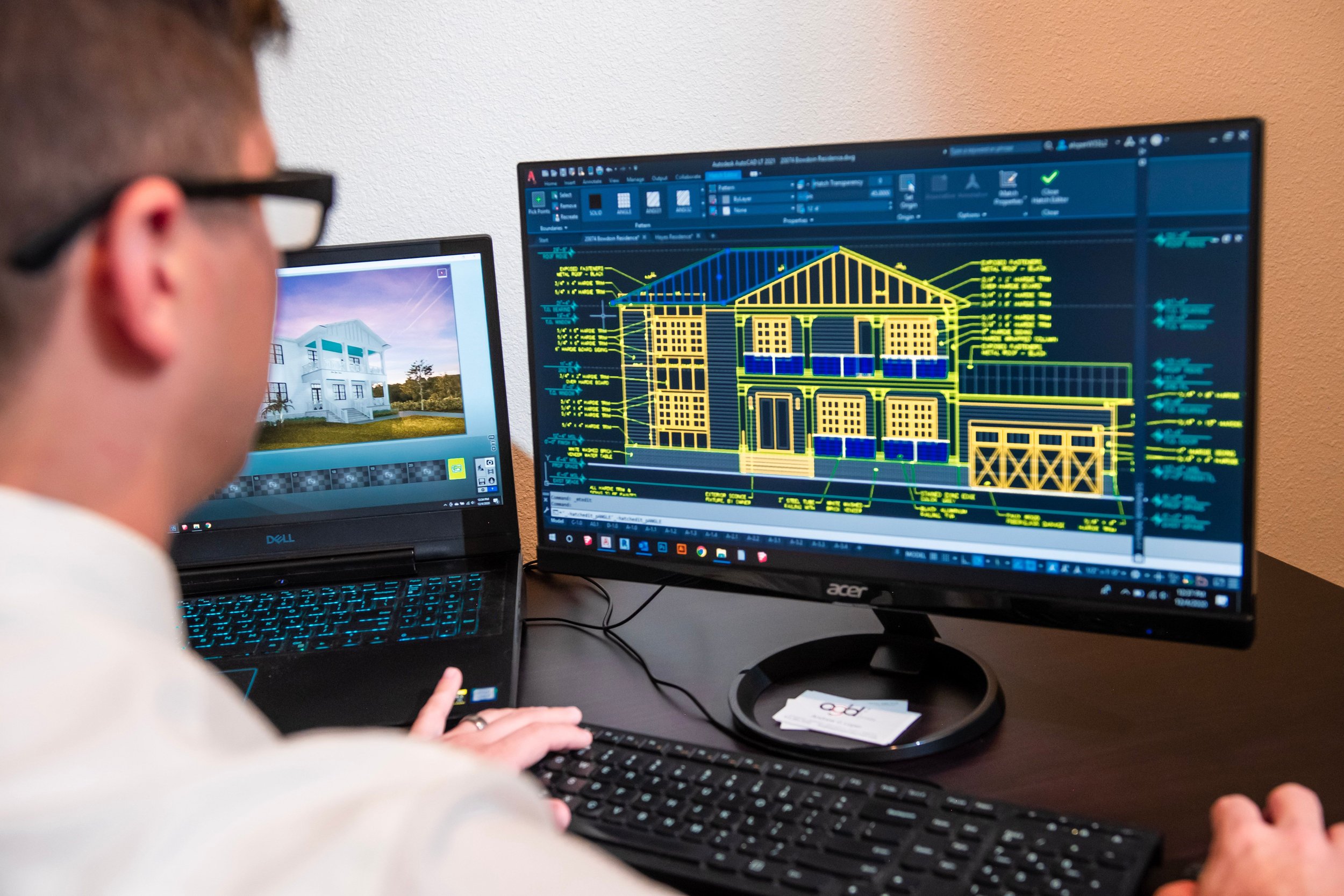
Civil Engineering Workflow Automation: Where Firms Are Losing the Most Time
Civil engineering firms lose more delivery capacity to rules-based manual tasks than most practices have formally measured. Data processing, report compilation, cross-discipline coordination - these workflows follow consistent rules and produce predictable outputs. Here is where automation delivers the most measurable time savings, and what it actually looks like when implemented on real projects.

Precast Concrete Drawing Automation: Why Manual Still Dominates and What Changes It
Most precast concrete manufacturers are still producing drawings manually despite two decades of digital development in the wider construction industry. The reason is not a lack of ambition. Generic BIM tools handle the geometry but not the structural intelligence behind it. Here is why the gap persists and what purpose-built automation for precast drawing production actually delivers

The Hidden Cost of the Gap Between Design and Production in Structural Manufacturing
There is a cost that does not appear on most manufacturing P&Ls. It lives in every manual handoff between structural design and factory production, accumulating across engineering hours, rework events, and order cycles that run longer than they should. Here is where it hides, how to calculate it, and what closing it actually looks like.

Manufacturing Workflow Automation: How We Cut Design Time by 5x for a Building Panel Manufacturer
Converting architectural CAD drawings into structural drawings and calculation packages is one of the most time-consuming and repetitive tasks in structural engineering practice. For one regional practice, rule-based automation cut drawing production time by 70%. Here is exactly how it works and what conditions make it replicable.

RAG Systems for Structural Engineering: A Practical Guide to AI Document Search
Structural engineering firms accumulate decades of project knowledge that sits in filing systems nobody can search effectively. Every time a senior engineer leaves, a significant portion of that knowledge leaves with them. Here is what a RAG system is, when it is worth building for your firm, and what the results actually look like in practice.

Structural Engineering Software: What Engineers Actually Need and Why Most Tools Miss It
Most structural engineering software is built for broad markets, not for how a practising engineer actually thinks on a live project. The result is tools with extensive feature sets where firms use 30% of what they paid for, while the 70% they actually need is missing. Here's what engineers actually want from their software and why the gap persists.